Categories
Recording

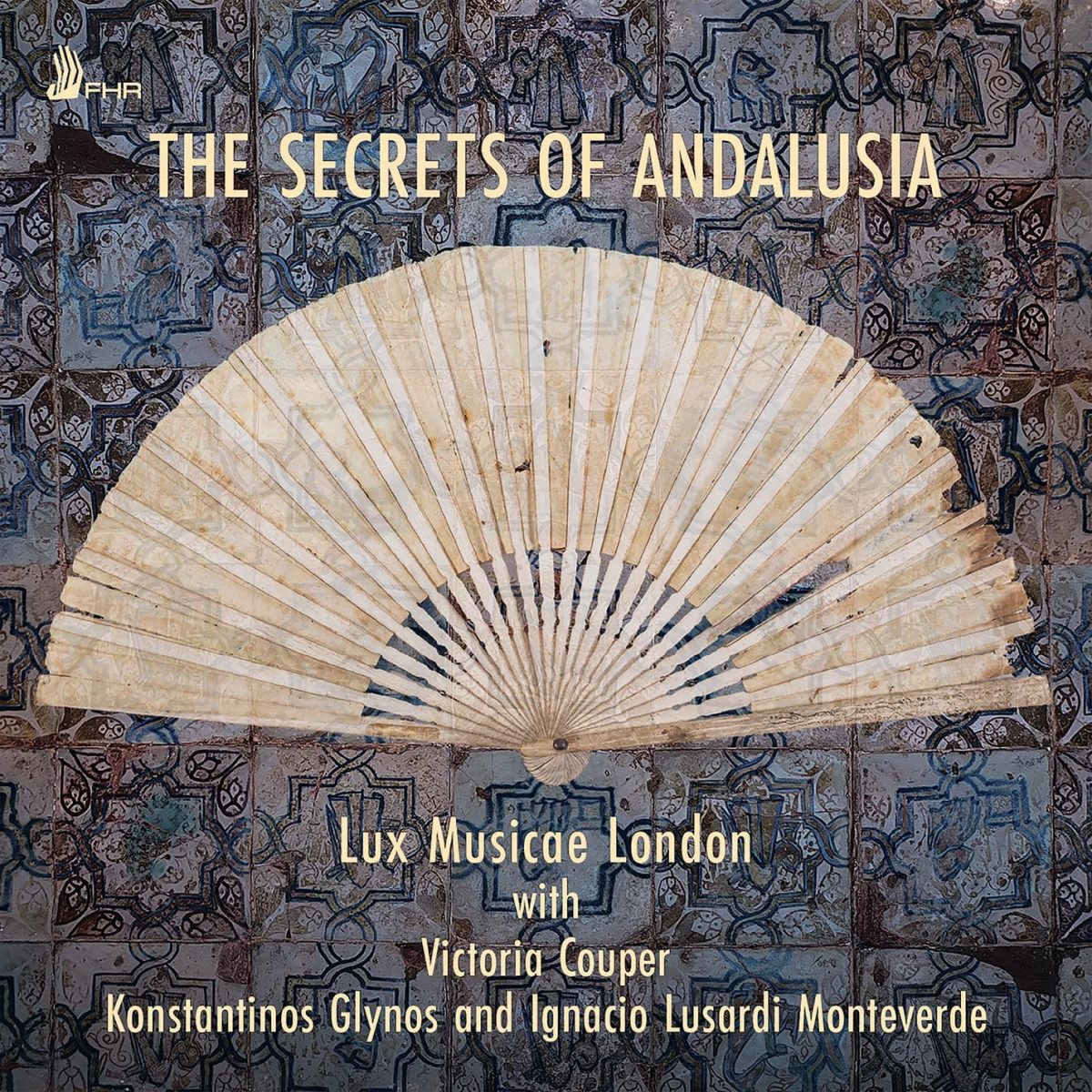
The Secrets of Andalusia

Lux Musicae London with Victoria Couper, Konstantinos Glynos and Ignacio Lusardi Monteverde
71:14
First Hand Records FHR157

This attractive mixture of traditional Andalusian and early music from Spain and elsewhere works very well as a programme. Oud, kanun and flamenco guitar rub shoulders with recorders, Baroque harp and guitar, lute, viola da gamba and soprano and tenor voices in a creative interface in which each of these two styles cross paths and influence one another. As with recordings by Jordi Savall and others who endeavour to introduce the spice of their traditional roots into performances of early music, there are revelations but also some slight stretching of the historically informed rules – if you set out to trace the roots of flamenco in early music, you will generally find them! However, there remains a gulf between the flamenco guitars, oud and kanun, generally modern instruments, and the ‘early’ instruments, copies of historical examples, while the kanun and oud are tuned to one scale and the modern guitar and early instruments to another, while of course as part of a living tradition the music for flamenco guitar engages with a thoroughly modern harmonic world. This gap even extends to the singers – soprano Victoria Couper using a thrilling flamenco-type voice production and Roberta Diamond and Daniel Thomson generally using a more orthodox style of singing, although these versatile singers are also able to move in a more traditional direction when necessary. If you accept this CD as a dynamic amalgam of traditional and historically informed approaches, it makes for a joyful listen, and in their work with their traditional music guests, Lux Musicae London have undoubtedly found sympathetic echoes in the early material they perform.

D. James Ross
Categories
Recording

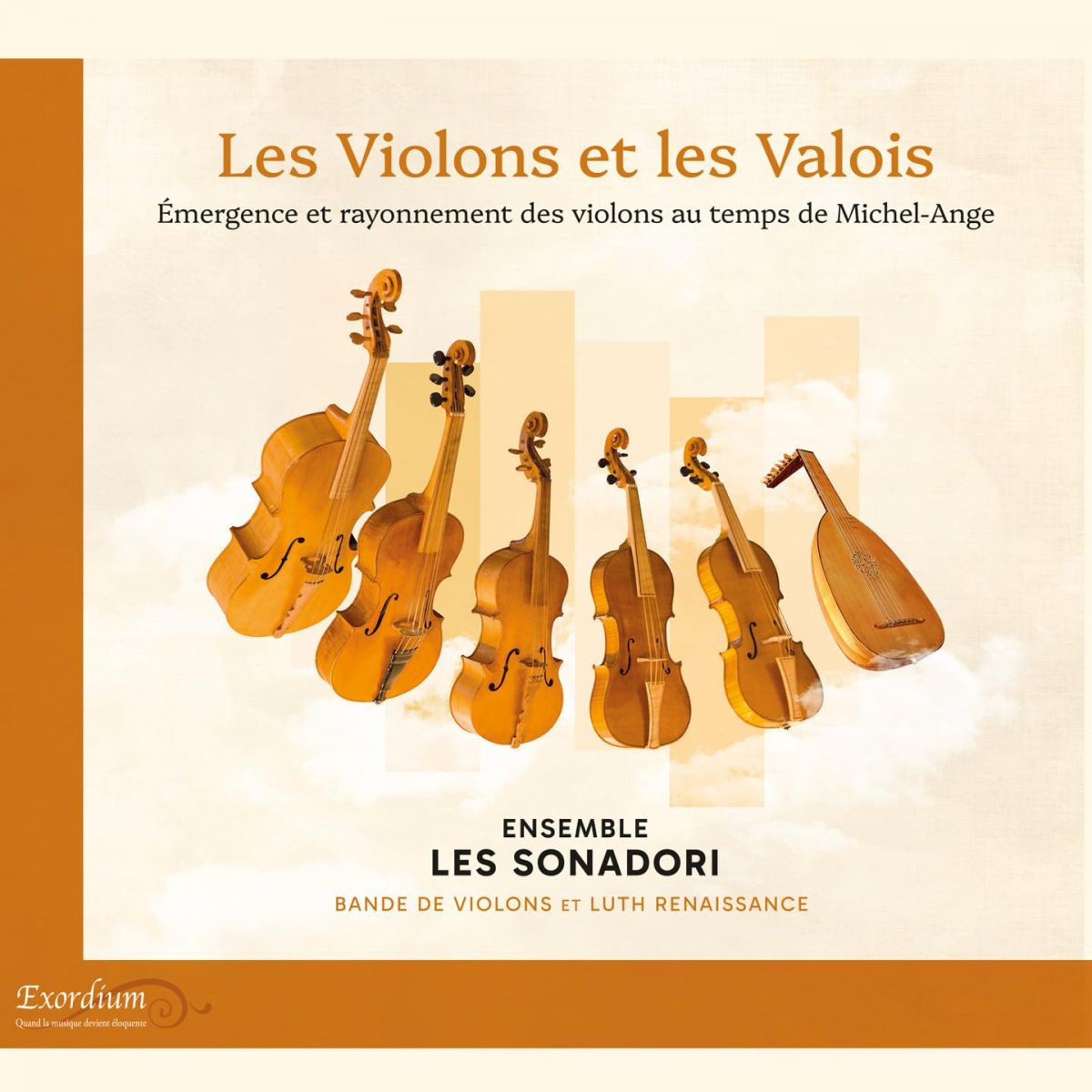
Les Violons et les Valois

Emergence et rayonnement des violons au temps de Michel-Ange
Ensemble Les Sonadori
65:00
Exordium EX20250005

This CD takes us back to the emergence of the violin in the period from the late 15th century to the mid 16th century in a milieu shaped by the Valois Dukes of Burgundy. Various sizes of early violin blend with earlier stringed instruments such as the rebec, hurdy-gurdy as well as the lute and Renaissance guitar to produce a startlingly new sound which already points in the direction of the early Baroque. I can remember the startling effect when a number of viol consorts replaced their treble viols with early violins, and this lovely, bright sound recalls that moment. Playing consort music by Attaignant, Milano, Susato, Moderne, Obrecht, Ghiselin and Vicenzo Capirola as well as instrumental accounts of chansons by de la Rue, Johannes Stokhem, Crequillon, Tinctoris, Ghizeghem and Clemens, and sacred music by Festa, Morales and others, the consort vividly evoke the courts of Charles the Bold and Charles V. The slightly vague date of the ‘birth of the violin’ is shrouded to an extend in terminology – the first mention of ‘vyollons’ is as late as 1523 in Savoy (interestingly the original home of ‘Davie the fiddler’, David Rizzio) but illustrations show that instruments which were essentially violins had existed before that, while proto and neo violins continued to crop up throughout the transition period from viols to violins proper. What is striking about this recording is the distinctive and attractive sound produced by an ensemble of these early members of the violin family and how appropriate they sound in this early repertoire. Les Sonadari play with an appropriate complete lack of vibrato and a direct sound, with a clean attack and a very pure sense of ensemble.

D. James Ross

Categories
Recording

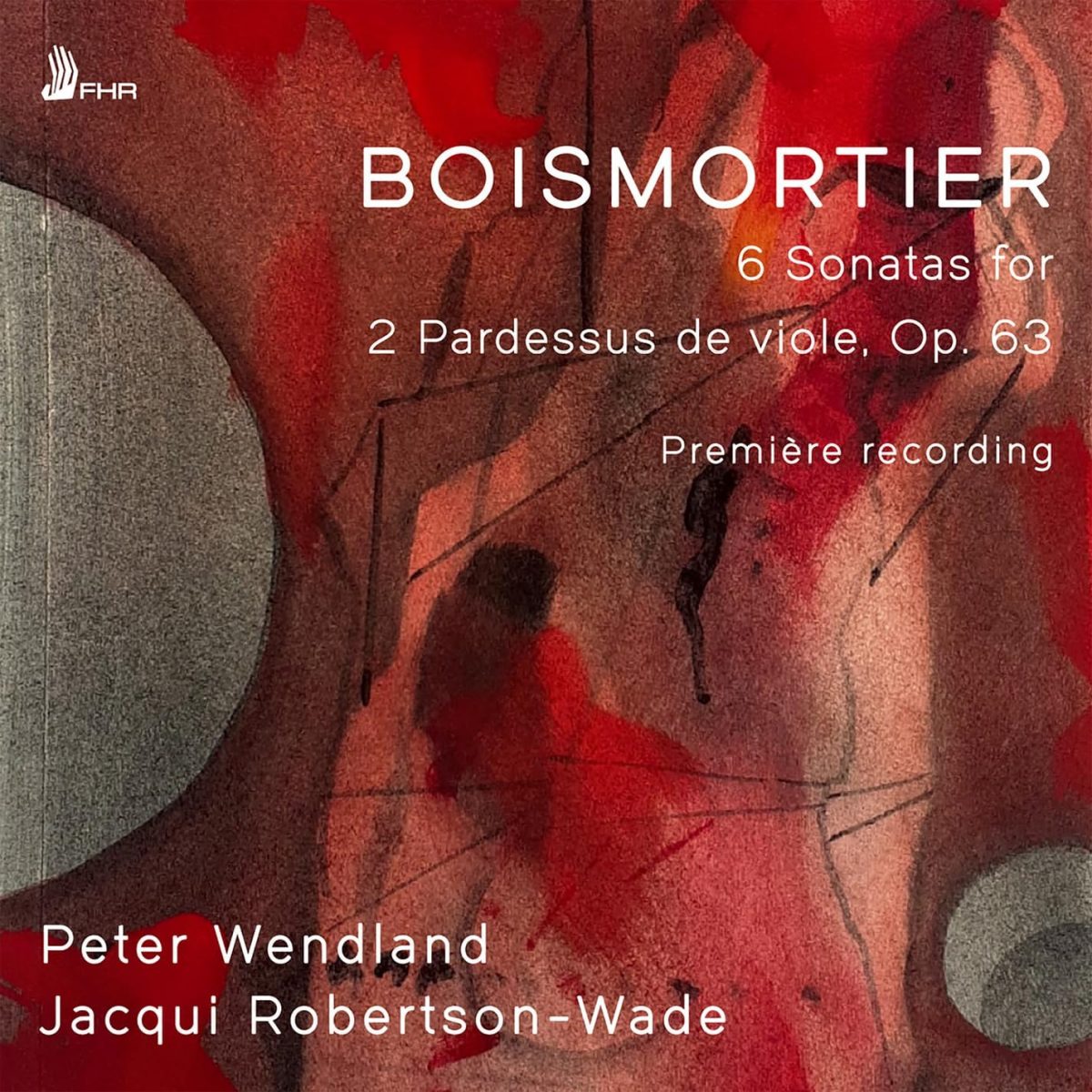
Boismortier: 6 Sonatas for 2 Pardessus de viole, Op. 63

Dialogue Viols (Peter Wendland, Jacqui Robertson-Wade)
71:23
First Hand Records FHR159

The pardessus de viole, a viol smaller and pitched a fourth higher than the treble viol, enjoyed something of a vogue in France in the first half of the 18th century, and amongst its champions was the prolific French composer Bodin de Boismortier, who wrote much repertoire for the instrument as well as later in life a tutor for it. The present set of six sonatas for a pair of pardessus de viole was considered lost until rediscovered a few years ago, and it is receiving its premiere recording here. The combination of two instruments at the same pitch poses challenges for a composer, as does the relatively high pitch of these viols. The resulting music often relies upon close dialogue over the same material at the same pitch, with the concomitant threat of predictability and, dare one say, ennui. Boismortier’s endless inventiveness and the expressive playing of Peter Wendland and Jacqui Robertson-Wade (Dialogue Viols) avoid this very successfully, and I found myself comprehensively drawn into the reduced world of this diminutive instrument. Such was the persuasiveness of their accounts of Boismortier’s op 63 duos that their arrangements for pardessus of duets by Marais and Couperin sounded entirely natural. The CD notes point out that while the pardessus is mentioned as an optional instrumentation in over 250 pieces in the 18th century, music written specifically for a matched pair of pardessus is vanishingly rare. This makes these charming sonatas by Boismortier a rare and valuable find.

D. James Ross

Categories
Recording

‘A fancy hattar’

Johan Hemlich Roman: Assaggi a violon solo
Anaëlle Blanc-Verdin
73:27
seulétoile SE 13

Well, it turns out a ‘hattar’ is a nickname for those 18th-century Swedes in favour of an alliance with Louis XV’s France, while a ‘fancy’ one tended to put his international perspective into practice by travelling. But while the 18th-century composer Roman Helmich Roman qualified as a ‘fancy hattar’, travelling throughout Europe sampling musical styles and collecting actual music, the main influence on his own compositions was the émigré Hanoverian and adoptive Englishman G F Handel. Most famous perhaps for his orchestral suite Drottningholm Music composed for the 1744 wedding of Crown Prince Adolf Frederick of Sweden and Louisa Ulrika of Prussia, Roman composed in a wide range of genres, including choral church music. These delightful Assaggi for solo violin (literally ‘tastes’) suggest a composer of extensive musical imagination, but with a light, witty and spontaneous side. Himself an oboist and violinist, it seems likely that these fresh and vivid pieces reflect Roman’s famous ability to improvise, and may amount to written-down versions of music he may have made up virtually on the spot. Regarded by many as the founder of Swedish music, after his death in 1758, his reputation lived on in his native land, although he has remained relatively unknown elsewhere. These beautifully tasteful and eloquent accounts of his Assaggi, described in the programme notes as a ‘dialogue between the violinist and the philosopher’, by Anaëlle Blanc-Verdin, are constantly involving and entertaining – clearly this ‘fancy hattar’ had more under his hat than is at first apparent! The comprehensive French programme notes are available in English translation online.

D. James Ross

Categories
Recording

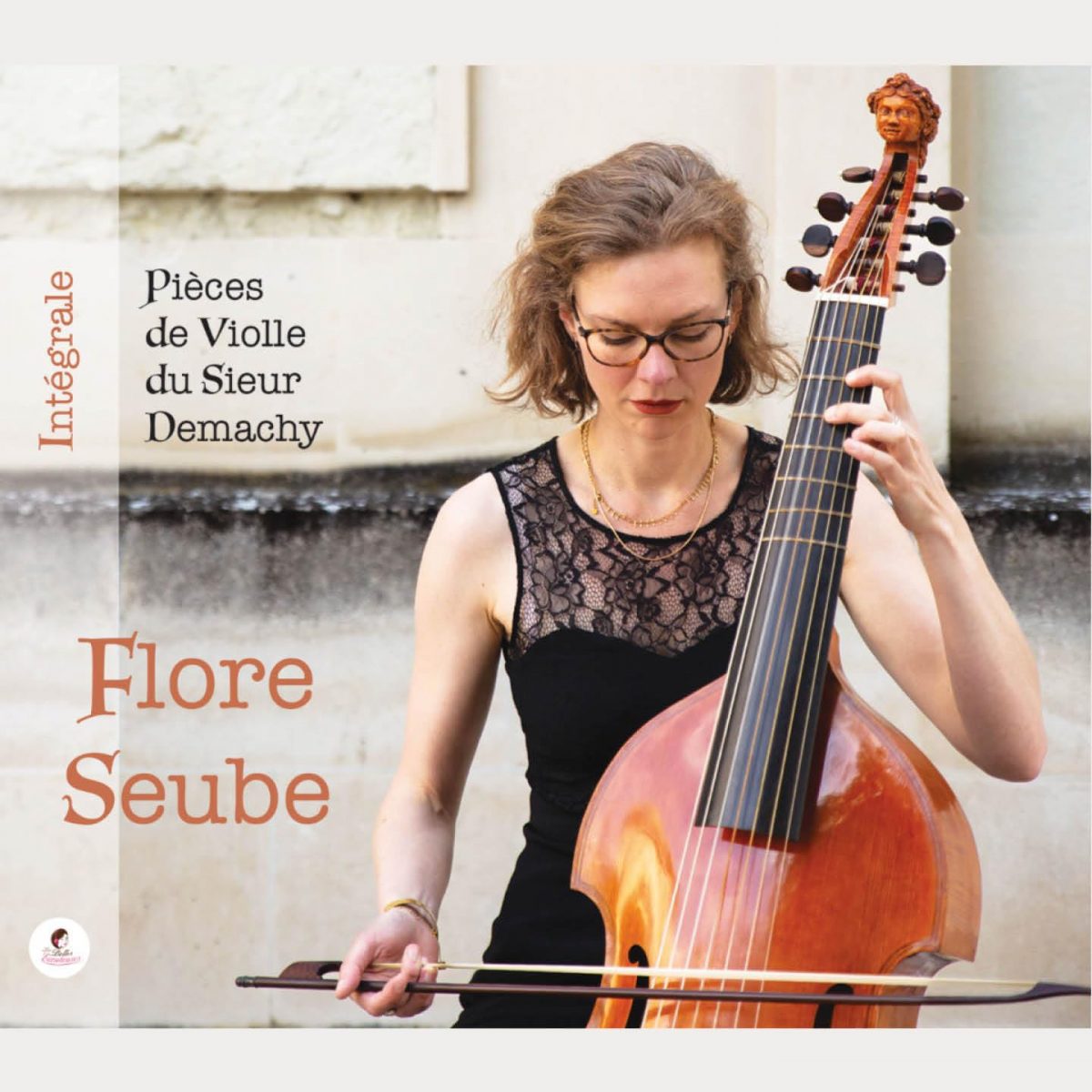
Sieur Demachy: Pieces de Violle

Flore Seube
119:55 (2CDs in a card triptych)
Les Belles Ecouteuses LBE 82

This complete account by Flore Seube of the surviving viol music of Sieur Demachy, eight suites in all on two CDs, is a world premiere of this evocative repertoire from the reign of Louis XIV. Demachy, a contemporary of Sainte-Colombe and Marais, has left us only this single collection of music, although its authoritative voice and unerring creativity suggest that much else has been lost. Ms Seube plays a wonderfully resonant seven-string bass viol by Pierre Jacquier in the generous acoustic of the Gîte de Lavaud Blanche, which enhances the instrument’s rich timbres without any loss of clarity. She treads a fine line between affectation and expression to produce eloquent readings of this rich repertoire. Each Suite comprises exactly seven movements, generally following the standard form of Prelude, Allemande, Courante, Sarabande, Gigue, Gavotte and Minuet, with one Suite only replacing the final Minuet with a quirky Chaconne. Sieur Demachy is at his most imaginative in the slightly freer Preludes, and Flore Seube adopts a suitably more exploratory approach in these, following the composer’s imaginative musical journey. However, this is consistently engaging repertoire deserving of wider attention, and Flore Seube has done both Sieur Demachy and her listeners a valuable service in providing these fine performances. A translation of the French programme notes printed in the booklet is available on the Belles Ecouteuses website.

D. James Ross

Categories
Recording

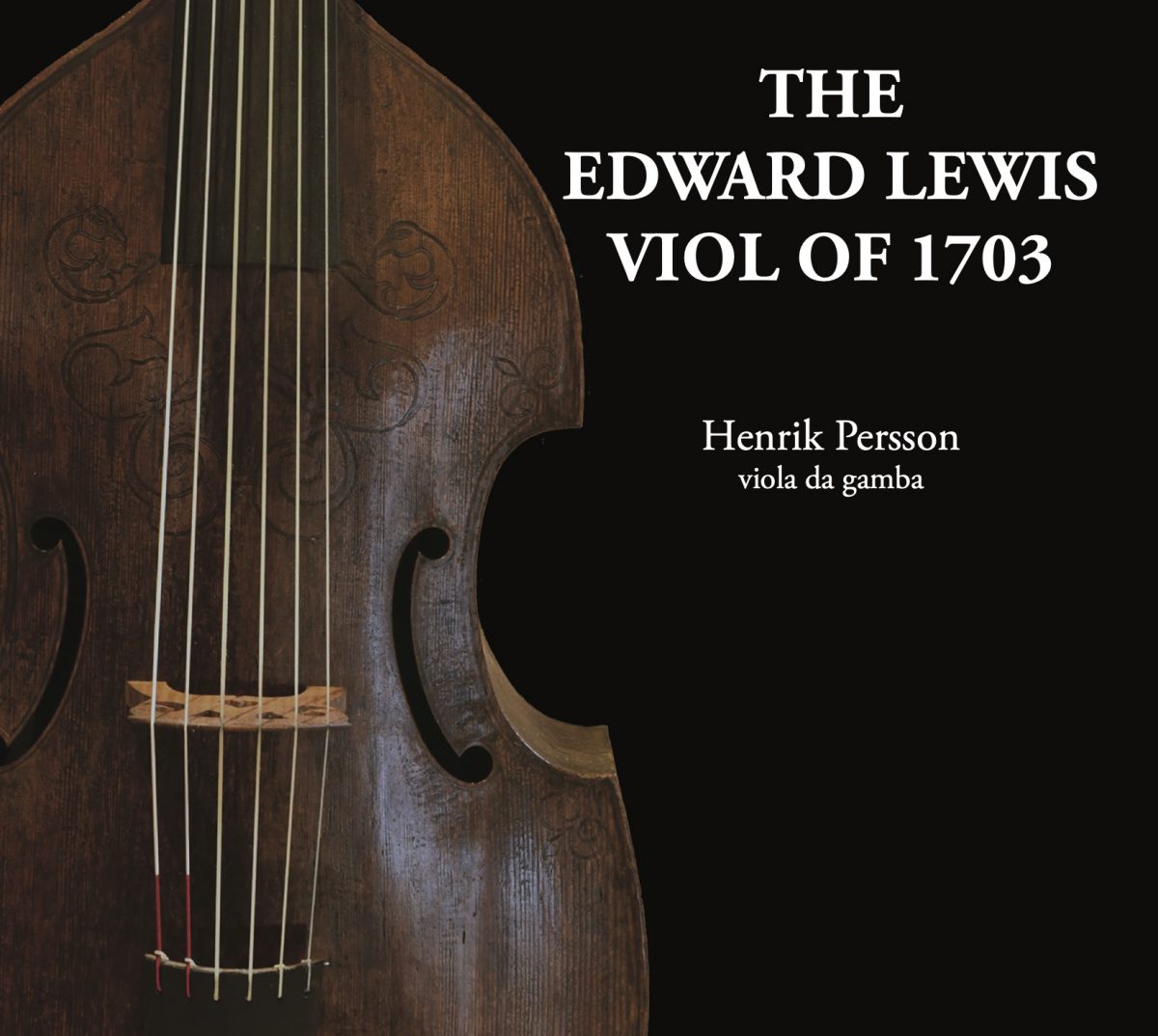
The Edward Lewis Viol of 1703

Henrik Persson
72:44
Barn Cottage Records BCR 028

This venerable bass viol by the London maker Edward Lewis, which has been through a number of manifestations since it was built, including a spell as a cello, has been restored in 2020 to its original form. The remarkable survival of an original label dates it to 1703, while its elegant decorations undoubtedly ensured the survival of the instrument itself. Violist Henrik Persson has selected a programme of music which could plausibly have been played on the viol, including a couple of the now familiar Telemann Fantasias, music by that flamoboyant violist/composer Tobias Hume and less familiar repertoire by Benjamin Hely, Thomas Brown and Richard Sumarte as well as anonymous music from the Williamsburg Musick Song Book, attesting to the fact that some of the early American colonists from England brought music and their beloved viols with them. While Henrik Persson plays with complete technical assurance and a wonderful musical expressiveness, the star of the show has to be the Lewis viol, which, in its restored state, has an absolutely beautiful, rich voice and a freshness which it must have had when it was first made. Clearly, from its lavish adornment and its stunning sound, this was a prestige instrument, but just think how many such fine instruments fell victim to changing tastes and musical demands. It is a testimony to the art of restorer John Topham that this remarkable instrument was saved from adaptation and dilapidation, and to the art of Henrik Persson that it has been allowed so eloquently to play the sort of repertoire so perfectly suited to it.

D. James Ross

Categories
Recording

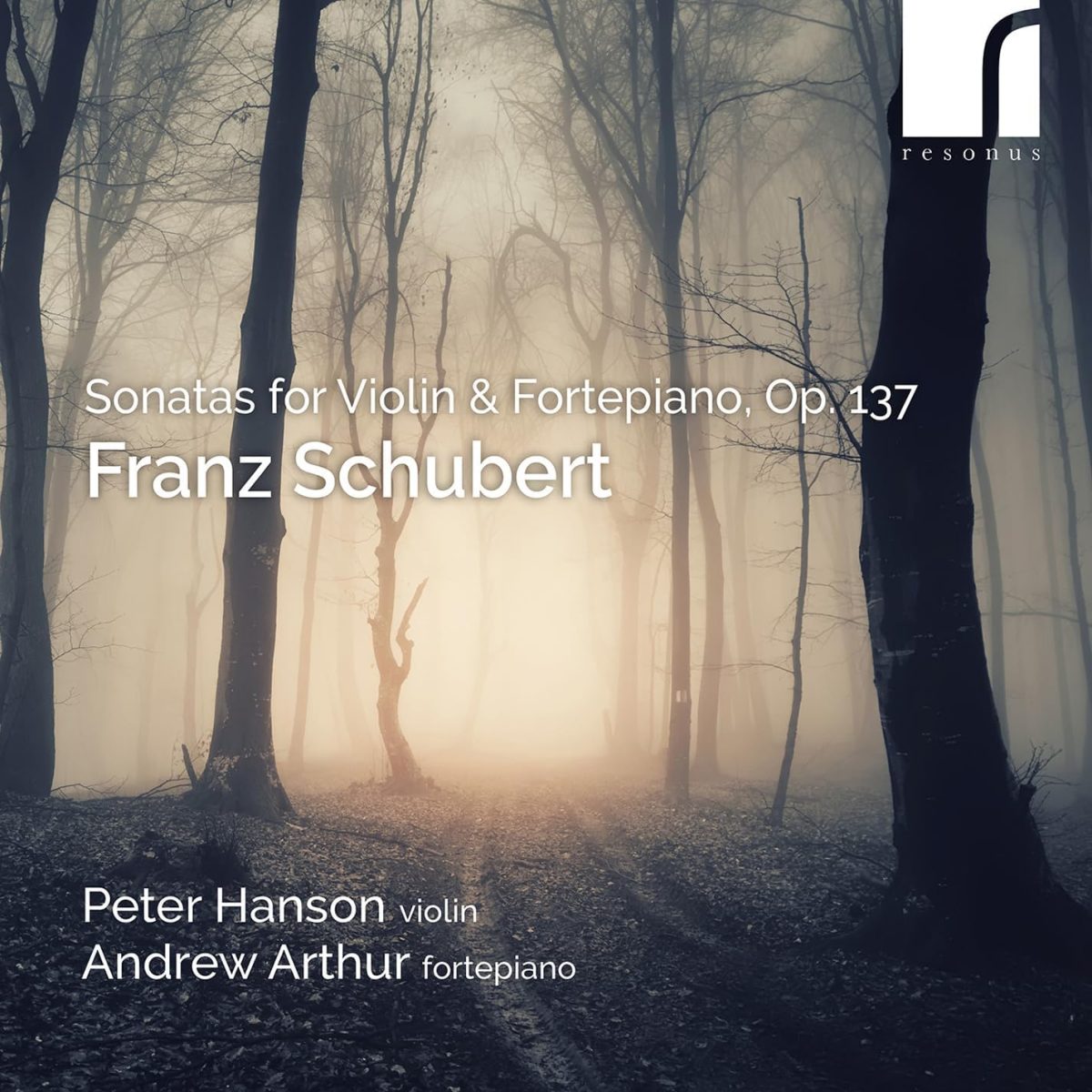
Schubert: Sonatas for Violin and Fortepiano op. 137

Peter Hanson violin, Andrew Arthur fortepiano
resonus RES10383
62:38

The three op. 137 violin sonatas (D384, 385 and 408) were composed in 1816 and embody many elements of the Lieder Schubert was composing at the time. Playing a copy of an early 19th-century Walther & Sohn fortepiano, Andrew Arthur’s delicate touch matches perfectly Peter Hanson’s lyrical playing of a copy by Dominik Wik of a 19th-century violin. The duo present all three sonatas as a continuous musical arc, as they might have been performed at one of the famous Schubertiade. It is easy to imagine this gently tuneful and inventive music interspersed with Lieder being enjoyed by the composer’s friends as they clustered round his piano for an informal evening concert. They were published in 1836 by Diabelli after the composer’s death under the diminutive title of “Three Sonatinas”, a description which perhaps may have served to diminish their status in the minds of violinists, who nowadays rarely include them in recitals. This is a shame, as these present performances amply demonstrate that they are works of subtlety, with hidden musical depths – the enigmatic opening of the A-minor sonata being a good case in point. The three works together with their imaginative interplay of the two instrumental textures, one in a major key and two in a minor, take us on a rewarding musical journey, and this talented duo have done us a good turn in drawing these works to wider attention. 

D. James Ross

Categories
Recording

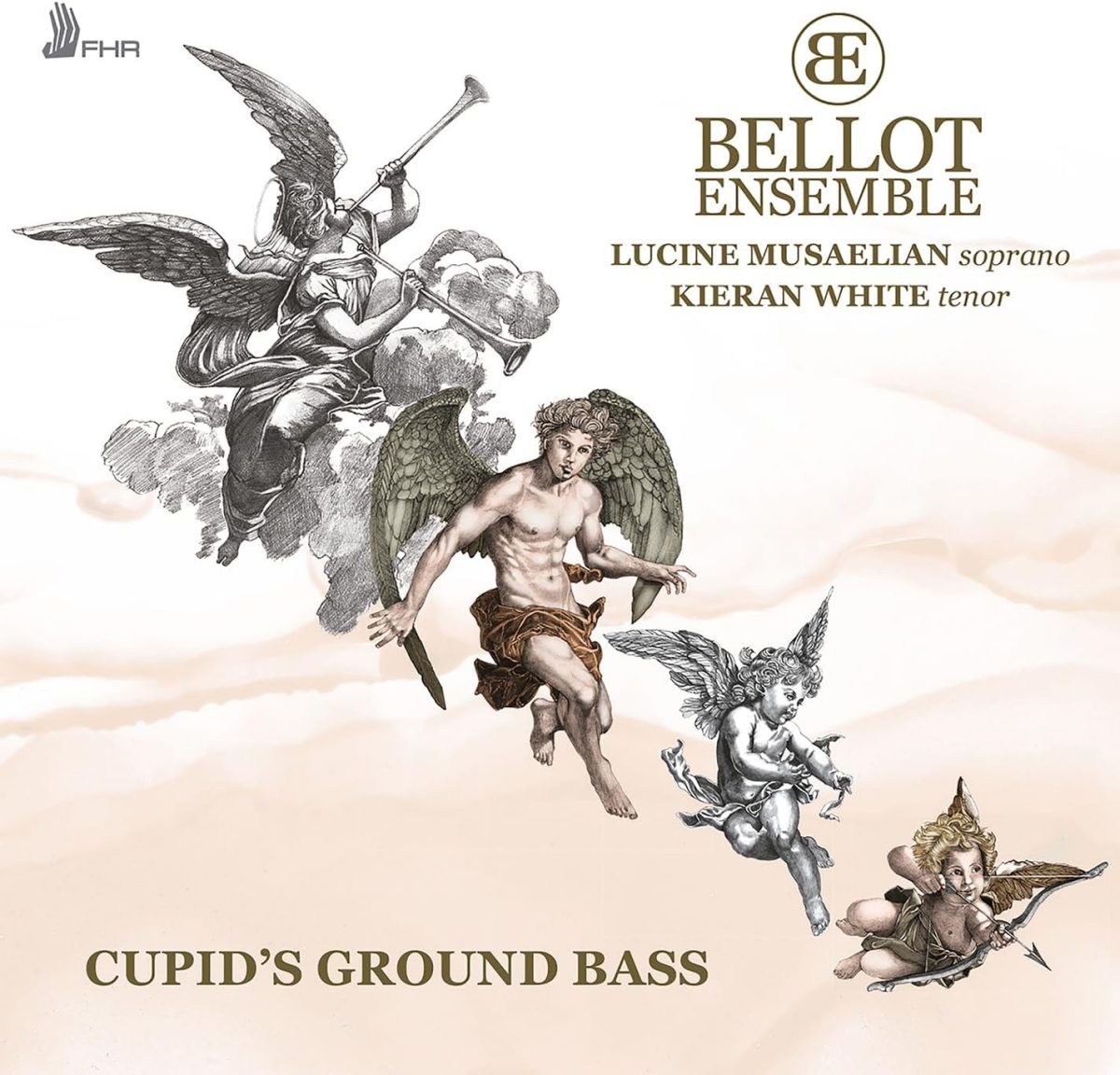
Cupid’s Ground Bass

Music by Biber, Cavalli, Farina, Kapsberger, Monteverdi, Strozzi, Uccellini
Bellot Ensemble
First Hand Records FHR183
60:55

This charming collection of love-songs and instrumental pieces explores the joys and sufferings of love in a selection of 17th-century music with an emphasis on Italy. The solo voices are soprano Lucine Musaelian and tenor Kieran White, whose vocal contribution is individually very fine, before they symbolically finally come together in Monteverdi’s Zefiro torna. The instrumental playing, both as accompaniment and in the instrumental interludes, is also wonderfully imaginative and lyrical. Recorder, violin, viola da gamba, cello, baroque guitar/theorbo and harpsichord/organ blend together beautifully in music ranging from the delightfully celebratory to the plangently affecting. The Ensemble specialises in ornamentation, consulting a number of historical sources but ultimately embodying the rules and bringing them to impressive fruition in rehearsal and performance. Several highlights for me were the Sinfonia and Act I aria “Delizie contenti che l’alma beate” from Cavalli’s hit opera Il Giasone, sparklingly played by the Ensemble and ravishingly sung by Kieran White, and “Che si può fa” by Barbara Strozzi, exquisitely sung by Lucine Musaelian, while accompanying herself on the gamba as in the famous Strozzi portrait. This is mainly musical territory which has been explored previously, but the Bellot Ensemble and their engaging vocal soloists give even the very familiar material a novel twist, providing us with a programme which is constantly intriguing and enjoyable.

D. James Ross

Categories
Recording

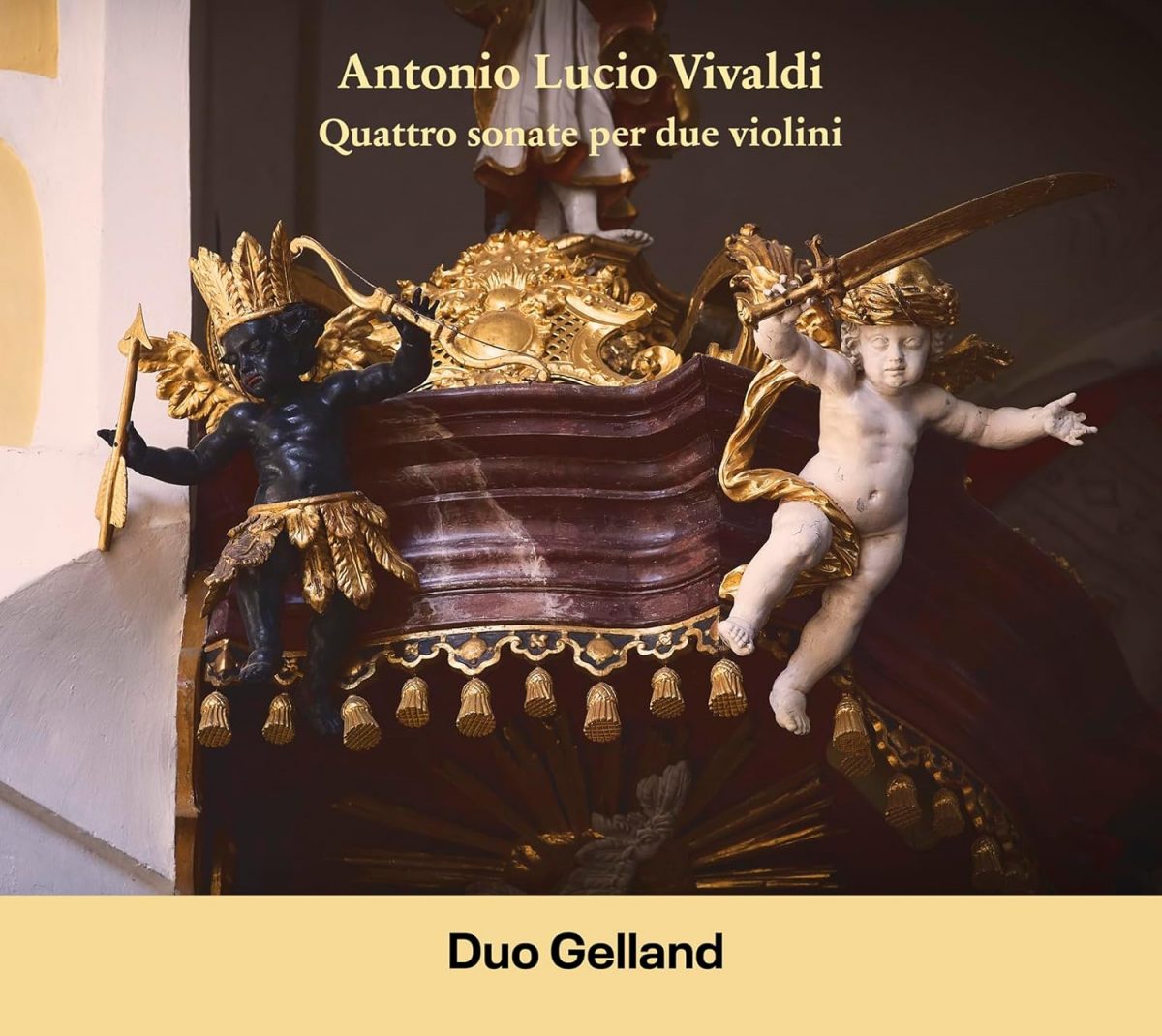
Vivaldi: Quattro sonate per due violini

Duo Gelland
Olde Focus Recordings FCR 925
45:50

These four charming duets for two violins RV 68, 70, 71 and 78 differ from Vivaldi’s opus 1 set of duos for two violins in that these are ‘senza il basso’. Published after the composer’s death, they possibly date from the 1730s when Vivaldi toured central Europe with his father – certainly the option of performing without continuo accompaniment would lend itself to the unpredictable conditions of international touring. On the other hand, the mature style of the writing and the technical demands suggest that they were probably composed later for Vivaldi to play with one of the talented violin soloists of the Ospedale della Pietà.

The Duo Gelland, a married couple of violin virtuosi, take a wonderfully fresh and spontaneous approach to this music, living up to the group’s ethos ‘never to perform anything exactly the same way twice.’ In this way, the duets they play are treated as ‘live’ dialogues between the two players, and any performance, including this recording, is just one of many options. An element they don’t mention in their notes (perhaps understandably) is the strongly competitive element of these accounts! Whatever the circumstances, these duets could hardly hope for a more vivacious and electrifying performance than this short but charming recording.

D. James Ross

Categories
Book

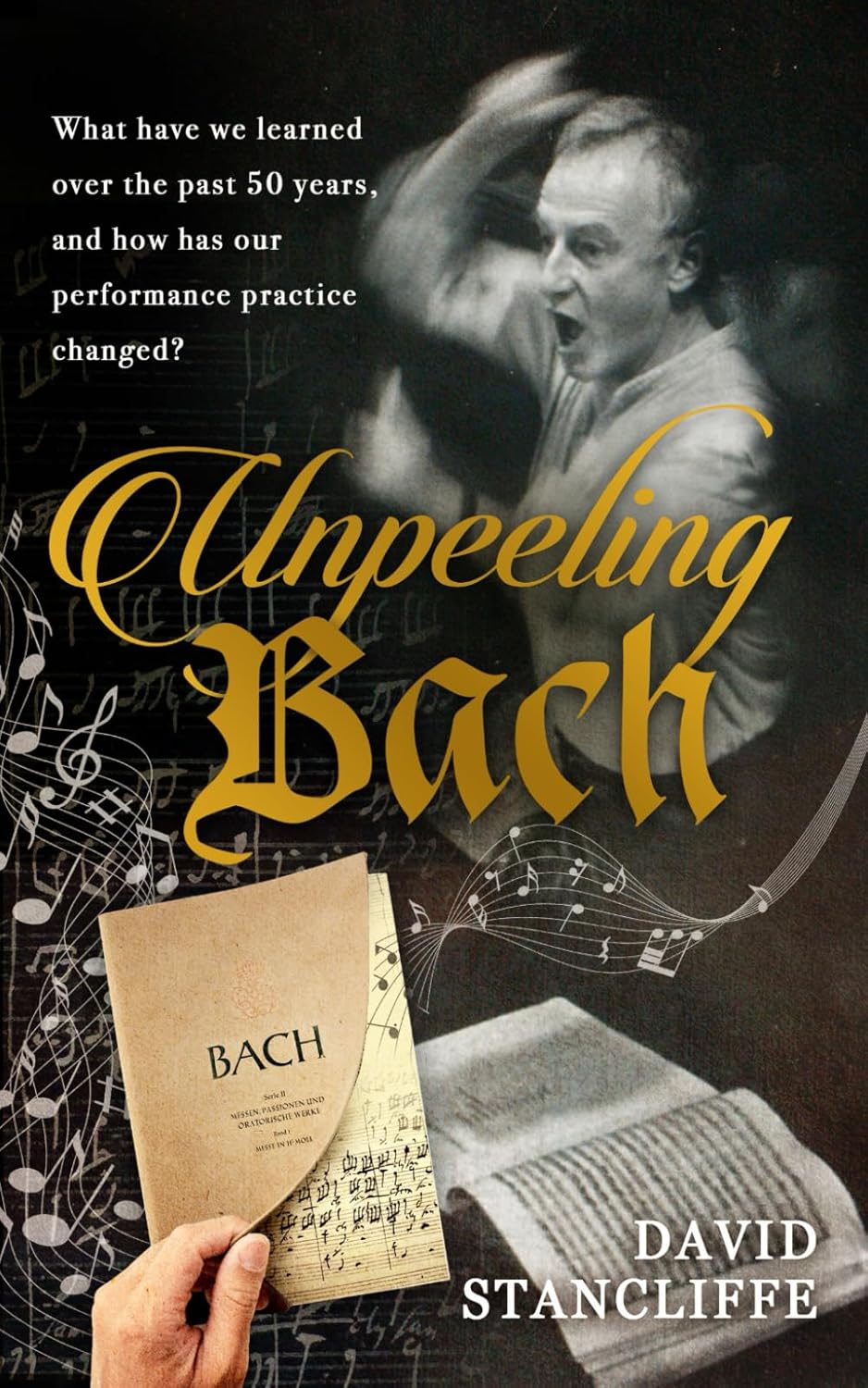
Unpeeling Bach

By David Stancliffe
The Real Press 2025
372pp. ISBN
Available from Amazon

This is an engaging and comprehensive study of the music of J S Bach, which places it expertly in a historical and religious context. A former Bishop of Salisbury, Stancliffe is ideally placed to consider the spiritual dimensions of Bach’s sacred music, an important aspect of this devout composer’s essence and world view which is often glossed over in other studies of his music. While this understanding pervades the whole book, we also have appendices, including one dealing with Bach’s understanding of St John’s theology, drawing on his St John Passion, which are fascinating. However, intriguing as this is, it is just one aspect of a wonderfully wide-ranging approach to Bach. We have an updated treatment of Bach’s musical context, taking into account the surprising range of earlier polyphonic music still in currency in Bach’s time. We are cleverly drawn into the issues relating to the historically informed performance of the music by an account of Stancliffe’s own journey into grappling with these issues. As a performer/director as well as a scholar, he has a rewardingly ‘hands-on’ approach to the music, extending to the most successful layout for performances as well as a detailed treatment of instrumentation, voice-types, and voice production. Again, in a very practical approach, he cites performances and recordings by leading ensembles at work right now on the music of Bach, evaluating the success of their various approaches. In this way, his reader can easily access illustrations of the points he is making, and as so often in this volume, his encyclopaedic knowledge speaks of extensive listening, which matches his voracious reading. Just occasionally, the author makes a throw-away comment which opens a thought-provoking doorway – for example, in mentioning the pair of Litui which accompany the motet O Jesu Christ, meins Lebens Licht (BWV 118), he moots the idea that the nature of their accompaniment ‘argues for at least an outdoor if not processional performance’ – intriguing! My review copy is a pre-release edition, with editorial corrections, but as these are mainly layout issues, I assume they have all been addressed in the final edition. Stancliffe’s writing style is fluent and expressive, and the structure of the book makes the material easy to access and to enjoy either by dipping in and out or simply consuming it as a good and satisfying read. Although there are regular informative quotations from contemporary sources, there are no musical examples or visual illustrations – I was initially struck by this omission, but found myself less and less aware of it as I read on. On the back of the book, David Stancliffe is described as ‘an enthusiast and expert’, and in ‘Unpeeling Bach’ we find that this is a compelling combination which gives the author a unique perspective on Bach’s music.

D. James Ross