Categories
Recording

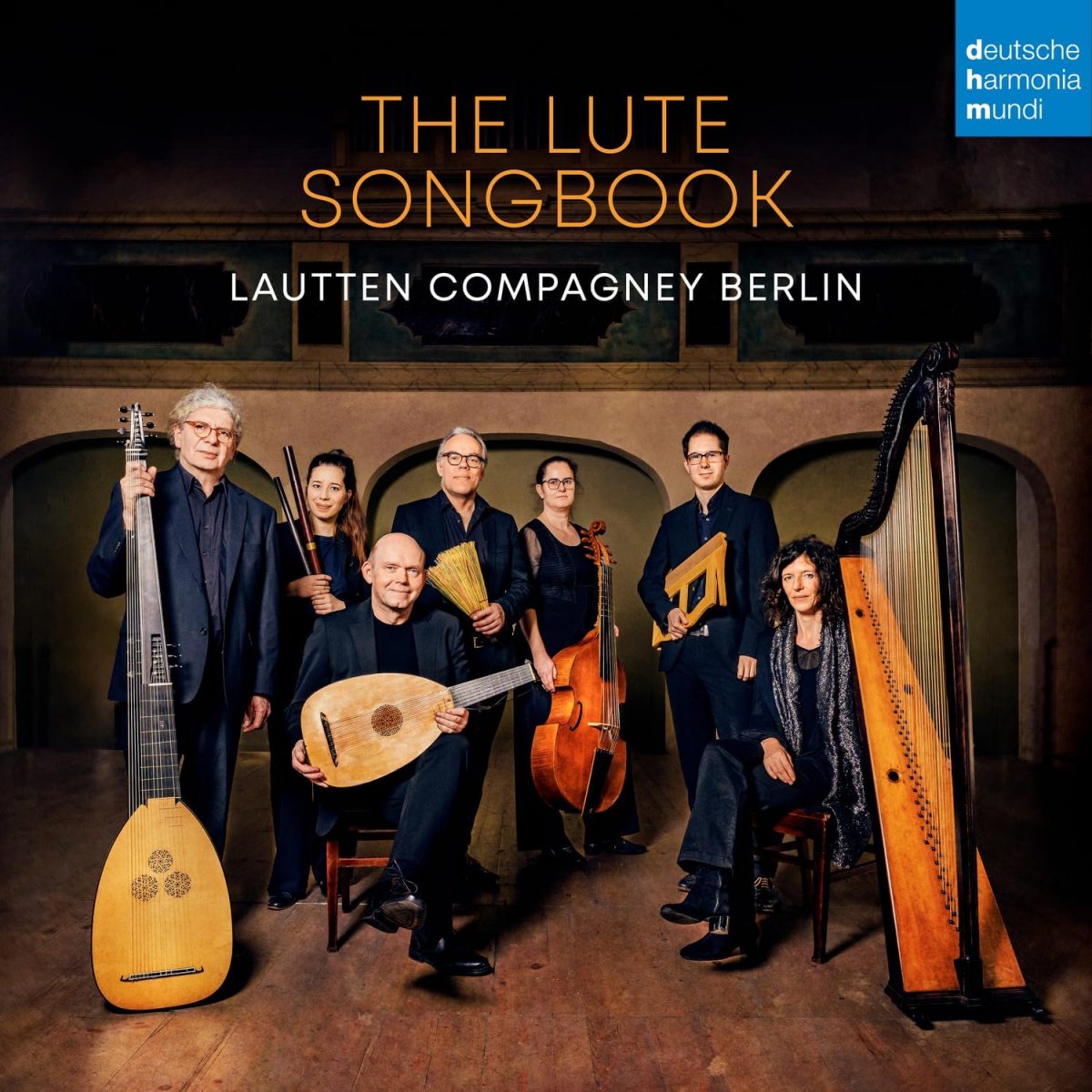
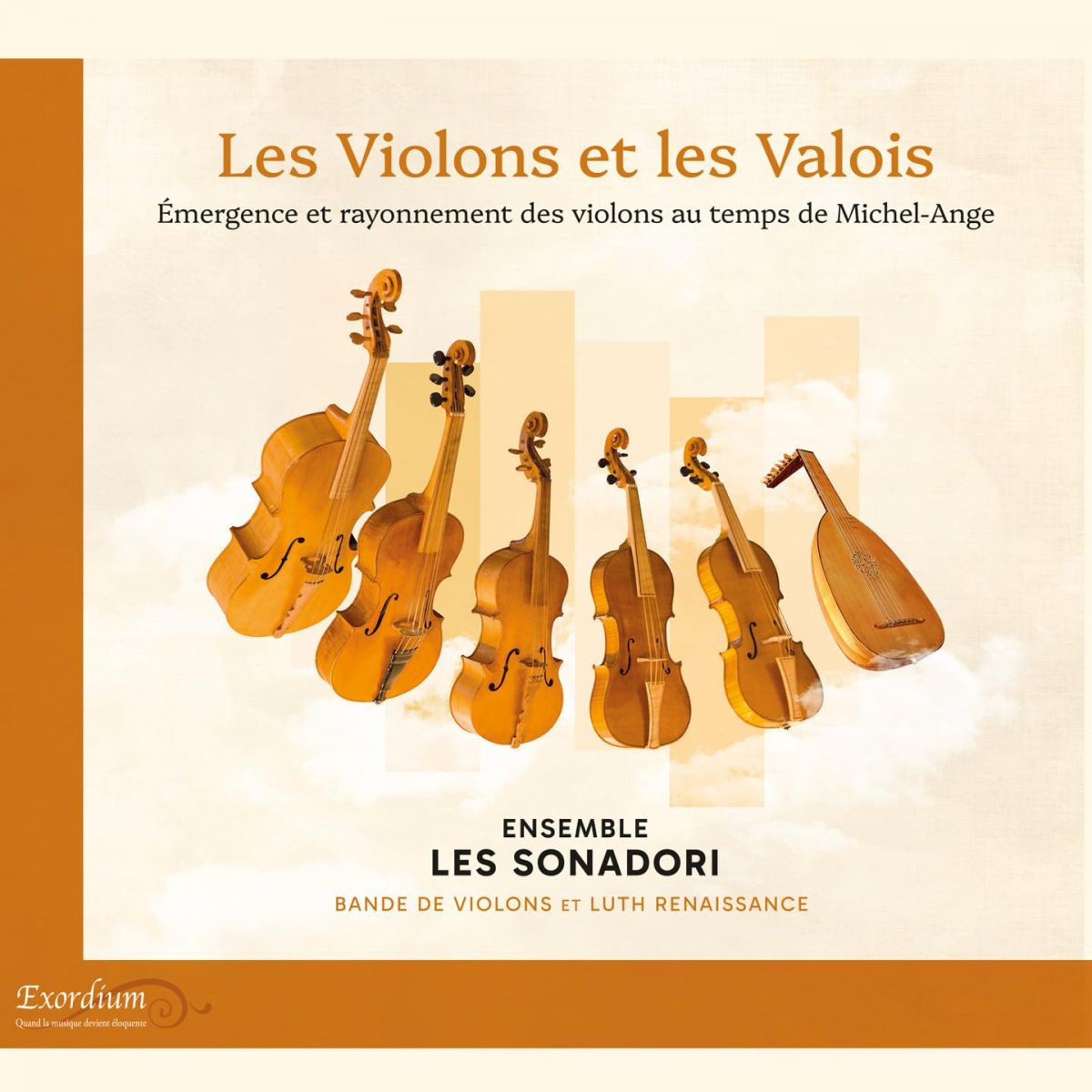
Les Violons et les Valois

Emergence et rayonnement des violons au temps de Michel-Ange
Ensemble Les Sonadori
65:00
Exordium EX20250005

This CD takes us back to the emergence of the violin in the period from the late 15th century to the mid 16th century in a milieu shaped by the Valois Dukes of Burgundy. Various sizes of early violin blend with earlier stringed instruments such as the rebec, hurdy-gurdy as well as the lute and Renaissance guitar to produce a startlingly new sound which already points in the direction of the early Baroque. I can remember the startling effect when a number of viol consorts replaced their treble viols with early violins, and this lovely, bright sound recalls that moment. Playing consort music by Attaignant, Milano, Susato, Moderne, Obrecht, Ghiselin and Vicenzo Capirola as well as instrumental accounts of chansons by de la Rue, Johannes Stokhem, Crequillon, Tinctoris, Ghizeghem and Clemens, and sacred music by Festa, Morales and others, the consort vividly evoke the courts of Charles the Bold and Charles V. The slightly vague date of the ‘birth of the violin’ is shrouded to an extend in terminology – the first mention of ‘vyollons’ is as late as 1523 in Savoy (interestingly the original home of ‘Davie the fiddler’, David Rizzio) but illustrations show that instruments which were essentially violins had existed before that, while proto and neo violins continued to crop up throughout the transition period from viols to violins proper. What is striking about this recording is the distinctive and attractive sound produced by an ensemble of these early members of the violin family and how appropriate they sound in this early repertoire. Les Sonadari play with an appropriate complete lack of vibrato and a direct sound, with a clean attack and a very pure sense of ensemble.

D. James Ross

Categories
Uncategorized

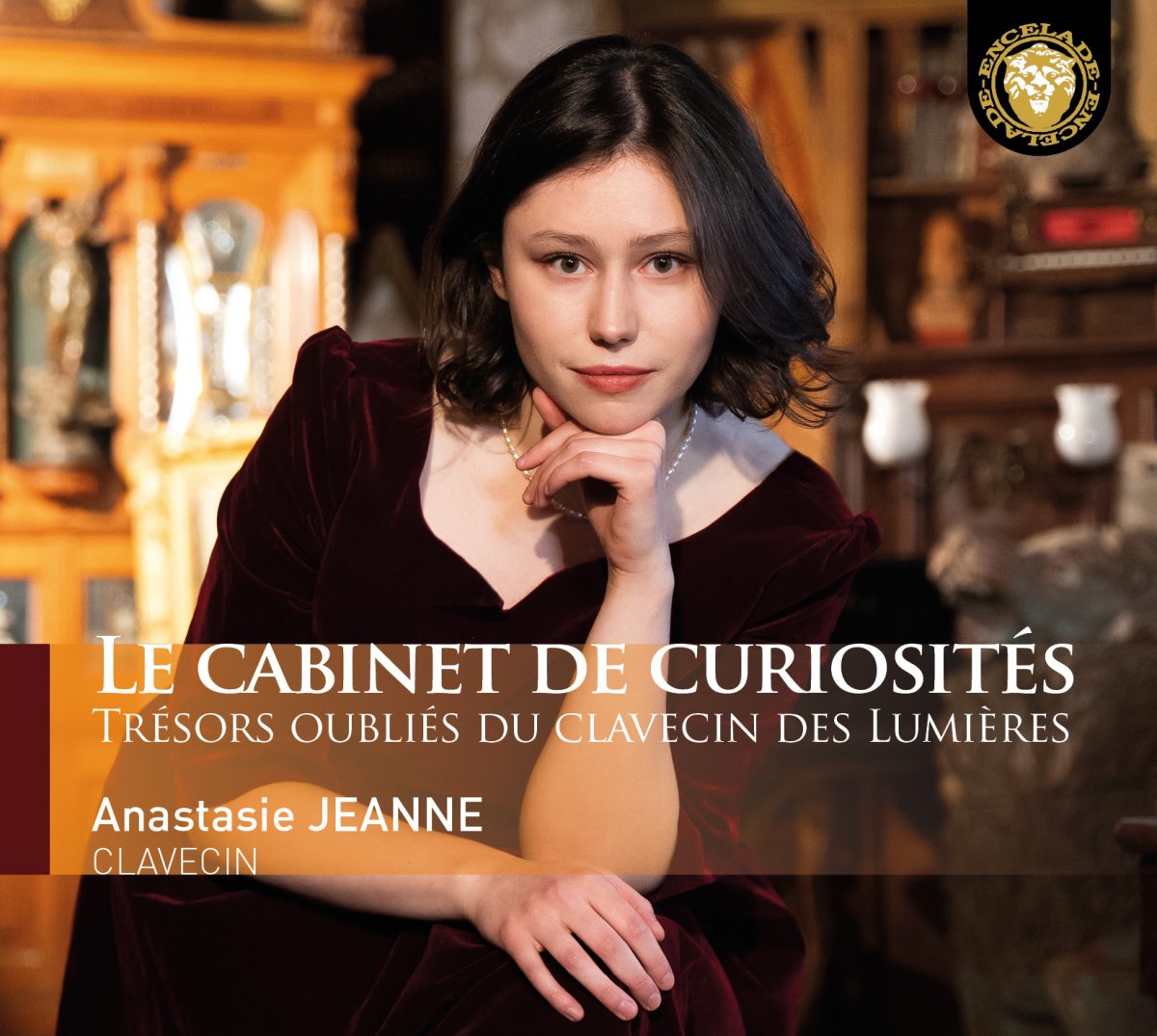
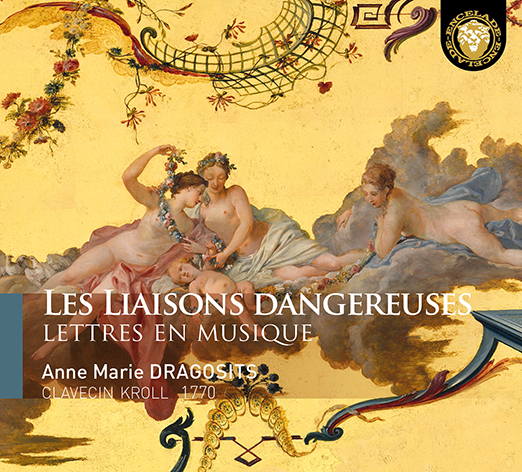
Les liaisons dangereuses

Lettres en musique
Anne Marie Dragosits
74:00
L’Encelade ECL2402

From its first explosive entry on this CD in music by Claude Balbastre, the clavecin by Christian Kroll of 1770 from the Collection François Badout, Fondation du Sautereau, Neuchâtel establishes itself as an instrument demanding our attention. At full volume, it has a huge voice, but is also capable of much more subtle and gentle utterances. Anne Marie Dragosits certainly puts it through its paces and timbres in music by a selection of largely unfamiliar French composers of the 18th century. The inspirations of the CD are the characters in Pierre Choderlos de Laclos’s 1782 troubling novel Les Liaisons Dangereuses, to whose letters Dragosits attaches the music. Although this idea is an intriguing one, a linking device of this sort is not really needed from my perspective as a framework for music that more than stands on its own two feet. However, fans of the novel or the ensuing films will undoubtedly enjoy the music as a soundtrack to the various ongoing intrigues of the plot. What is striking musically is the unerringly high standard of the music, regardless of the obscurity of its composer, and Anne Marie Dragosits and her Kroll clavecin are its ideal advocates.

D. James Ross

Categories
Uncategorized

The Classical Organ: CPE Bach, Haydn, Mozart

Robert Costin
79:47
firsthandrecords FHR 173

These accounts of five of CPE Bach’s Wq 70 Sonatas with a selection of fillers for mechanical clock by Haydn and Mozart are played by Robert Costin on the organ of Sherborne Abbey. Originally built in 1856, this Gray & Davison instrument has undergone extensive adaptation over the years, including having its mechanism adapted to electro-pneumatic action and back again to purely mechanical action! Built over fifty years after the deaths of the featured composers, it doesn’t seem like an obvious choice for this repertoire, and it seems unlikely that the classical period composers would have had anything like the choice or types of stops available to Robert Costin. In this respect we are very much in the player’s hands regarding the appropriateness of the timbres he has chosen, and I have to say I am not always entirely persuaded of the authenticity of the sounds chosen here – exacerbated by the generous acoustic, this recording sometimes sounds to me like a Victorian interpretation of classical period music, often sounding a little bit overblown, like later ‘improvements’ on the scores of Handel and Bach. The CD notes suggest an association with Princess Anna Amalia of Prussia, sister of CPE Bach’s patron, Frederick the Great, and a musician and composer in her own right, who had an organ installed in her living room in the same year as Bach published his Sonatas. While Bach’s music would also have been intended to meet the growing demands of the concert hall, I think that this inventive music would sound much more effective with the focussed timbres of a smaller instrument. This mismatch of material and instrument comes even more into focus in the slighter repertoire for mechanical clocks, which concludes the CD. While I would personally have preferred the sounds of a less portentous instrument for these Bach Sonatas, Robert Costin plays with refinement and elegance, and we are given a very full account of the details of the chosen instrument. Incidentally, the first of the Bach Sonatas is omitted as it does not appear in the composer’s catalogue – this seems an odd decision as this missing sonata would clearly have completed the set of six Sonatas and filled the CD without resorting to the unrelated and more trivial music for mechanical clock.

D. James Ross

Categories
Recording

Pierre Gaultier de Marseille: Symphonies divisées par suites de ton

Cohaere Ensemble
Ambronay AMY 317
69:27

Few composers fell victim more comprehensively to the hazards of a musical career than the late-17th-century composer Pierre Gaultier de Marseille, whose attempts to put his native city on the international musical map led to penury, imprisonment, and ultimately death by drowning as he attempted to escape his creditors. He composed operas in the style of Lully, which although successful when presented in the opera house he had built in Marseille, left him penniless. These Symphonies, beautifully played by the Polish Cohaere Ensemble on Baroque flutes, violin, cello and harpsichord/organ, are tuneful and elegant but also display an inventiveness which set them apart from the standard repertoire of the second half of the 17th century in France. Many of them bear ‘character’ titles, including a set marking his melancholy stay in debtors’ prison. Whether this individual style is due to regional difference or simply Gaultier’s inspired imagination is not clear, but the Cohaere Ensemble recognised something special in his music several years ago and have been championing his work ever since. Such technically accomplished and musically authoritative accounts can only help belatedly to establish the reputation of a composer who clearly deserves more attention.

D. James Ross

Categories
Recording

Boismortier: 6 Sonatas for 2 Pardessus de viole, Op. 63

Dialogue Viols (Peter Wendland, Jacqui Robertson-Wade)
71:23
First Hand Records FHR159

The pardessus de viole, a viol smaller and pitched a fourth higher than the treble viol, enjoyed something of a vogue in France in the first half of the 18th century, and amongst its champions was the prolific French composer Bodin de Boismortier, who wrote much repertoire for the instrument as well as later in life a tutor for it. The present set of six sonatas for a pair of pardessus de viole was considered lost until rediscovered a few years ago, and it is receiving its premiere recording here. The combination of two instruments at the same pitch poses challenges for a composer, as does the relatively high pitch of these viols. The resulting music often relies upon close dialogue over the same material at the same pitch, with the concomitant threat of predictability and, dare one say, ennui. Boismortier’s endless inventiveness and the expressive playing of Peter Wendland and Jacqui Robertson-Wade (Dialogue Viols) avoid this very successfully, and I found myself comprehensively drawn into the reduced world of this diminutive instrument. Such was the persuasiveness of their accounts of Boismortier’s op 63 duos that their arrangements for pardessus of duets by Marais and Couperin sounded entirely natural. The CD notes point out that while the pardessus is mentioned as an optional instrumentation in over 250 pieces in the 18th century, music written specifically for a matched pair of pardessus is vanishingly rare. This makes these charming sonatas by Boismortier a rare and valuable find.

D. James Ross

Categories
Uncategorized

Joseph Gibbs: 8 Sonatas for violin and BC op 1

The Brook Street Band
83:44
First Hand Records FHR188

Joseph Gibbs was lucky enough to have been painted by his friend and fellow musician Thomas Gainsborough, a fine portrait reproduced in this CD case, while the programme notes by Tatty Theo, the group’s cellist, perhaps rather ungenerously suggest that it is this association with greatness that has saved Gibbs’ music from obscurity. In fact, although he lived to the ripe old age of 89, he only seems to have published one further collection of music, a set of quartets, and remained a composer of only parochial importance. This seems a shame as these opus 1 Sonatas seem much more than merely competent, and in these sympathetic and imaginative performances by the Brook Street Band they emerge as fine compositions in their own right. The group’s violinist Rachel Harris brings her extensive understanding of the music of this period to bear on Gibbs’ felicitous melodic lines and rhetorical phrases to bring out his unique musical voice. It seems sad that the compositional potential of these promising works was never really fulfilled – perhaps the highly competitive milieu of London at the time, which produced so many masterpieces, was something which Gibbs chose to avoid, preferring local celebrity to an international reputation. In any case, it is lovely to have some fine music persuasively played as a soundtrack to Gainsborough’s vivid portrait of his friend.

D. James Ross

Categories
Recording

‘A fancy hattar’

Johan Hemlich Roman: Assaggi a violon solo
Anaëlle Blanc-Verdin
73:27
seulétoile SE 13

Well, it turns out a ‘hattar’ is a nickname for those 18th-century Swedes in favour of an alliance with Louis XV’s France, while a ‘fancy’ one tended to put his international perspective into practice by travelling. But while the 18th-century composer Roman Helmich Roman qualified as a ‘fancy hattar’, travelling throughout Europe sampling musical styles and collecting actual music, the main influence on his own compositions was the émigré Hanoverian and adoptive Englishman G F Handel. Most famous perhaps for his orchestral suite Drottningholm Music composed for the 1744 wedding of Crown Prince Adolf Frederick of Sweden and Louisa Ulrika of Prussia, Roman composed in a wide range of genres, including choral church music. These delightful Assaggi for solo violin (literally ‘tastes’) suggest a composer of extensive musical imagination, but with a light, witty and spontaneous side. Himself an oboist and violinist, it seems likely that these fresh and vivid pieces reflect Roman’s famous ability to improvise, and may amount to written-down versions of music he may have made up virtually on the spot. Regarded by many as the founder of Swedish music, after his death in 1758, his reputation lived on in his native land, although he has remained relatively unknown elsewhere. These beautifully tasteful and eloquent accounts of his Assaggi, described in the programme notes as a ‘dialogue between the violinist and the philosopher’, by Anaëlle Blanc-Verdin, are constantly involving and entertaining – clearly this ‘fancy hattar’ had more under his hat than is at first apparent! The comprehensive French programme notes are available in English translation online.

D. James Ross

Categories
Recording

Sieur Demachy: Pieces de Violle

Flore Seube
119:55 (2CDs in a card triptych)
Les Belles Ecouteuses LBE 82

This complete account by Flore Seube of the surviving viol music of Sieur Demachy, eight suites in all on two CDs, is a world premiere of this evocative repertoire from the reign of Louis XIV. Demachy, a contemporary of Sainte-Colombe and Marais, has left us only this single collection of music, although its authoritative voice and unerring creativity suggest that much else has been lost. Ms Seube plays a wonderfully resonant seven-string bass viol by Pierre Jacquier in the generous acoustic of the Gîte de Lavaud Blanche, which enhances the instrument’s rich timbres without any loss of clarity. She treads a fine line between affectation and expression to produce eloquent readings of this rich repertoire. Each Suite comprises exactly seven movements, generally following the standard form of Prelude, Allemande, Courante, Sarabande, Gigue, Gavotte and Minuet, with one Suite only replacing the final Minuet with a quirky Chaconne. Sieur Demachy is at his most imaginative in the slightly freer Preludes, and Flore Seube adopts a suitably more exploratory approach in these, following the composer’s imaginative musical journey. However, this is consistently engaging repertoire deserving of wider attention, and Flore Seube has done both Sieur Demachy and her listeners a valuable service in providing these fine performances. A translation of the French programme notes printed in the booklet is available on the Belles Ecouteuses website.

D. James Ross

Categories
Recording

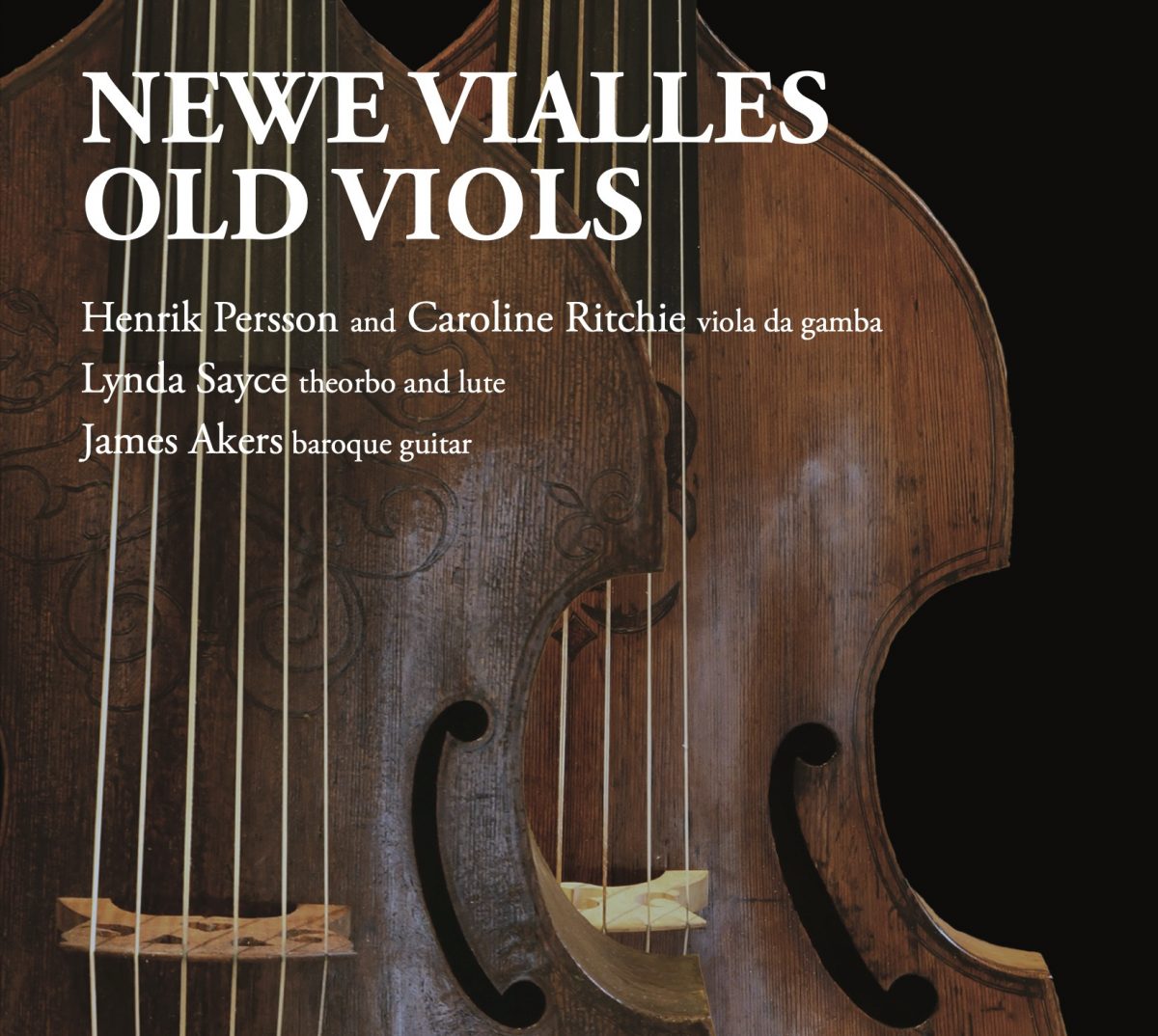
The Edward Lewis Viol of 1703

Henrik Persson
72:44
Barn Cottage Records BCR 028

This venerable bass viol by the London maker Edward Lewis, which has been through a number of manifestations since it was built, including a spell as a cello, has been restored in 2020 to its original form. The remarkable survival of an original label dates it to 1703, while its elegant decorations undoubtedly ensured the survival of the instrument itself. Violist Henrik Persson has selected a programme of music which could plausibly have been played on the viol, including a couple of the now familiar Telemann Fantasias, music by that flamoboyant violist/composer Tobias Hume and less familiar repertoire by Benjamin Hely, Thomas Brown and Richard Sumarte as well as anonymous music from the Williamsburg Musick Song Book, attesting to the fact that some of the early American colonists from England brought music and their beloved viols with them. While Henrik Persson plays with complete technical assurance and a wonderful musical expressiveness, the star of the show has to be the Lewis viol, which, in its restored state, has an absolutely beautiful, rich voice and a freshness which it must have had when it was first made. Clearly, from its lavish adornment and its stunning sound, this was a prestige instrument, but just think how many such fine instruments fell victim to changing tastes and musical demands. It is a testimony to the art of restorer John Topham that this remarkable instrument was saved from adaptation and dilapidation, and to the art of Henrik Persson that it has been allowed so eloquently to play the sort of repertoire so perfectly suited to it.

D. James Ross

Categories
Recording

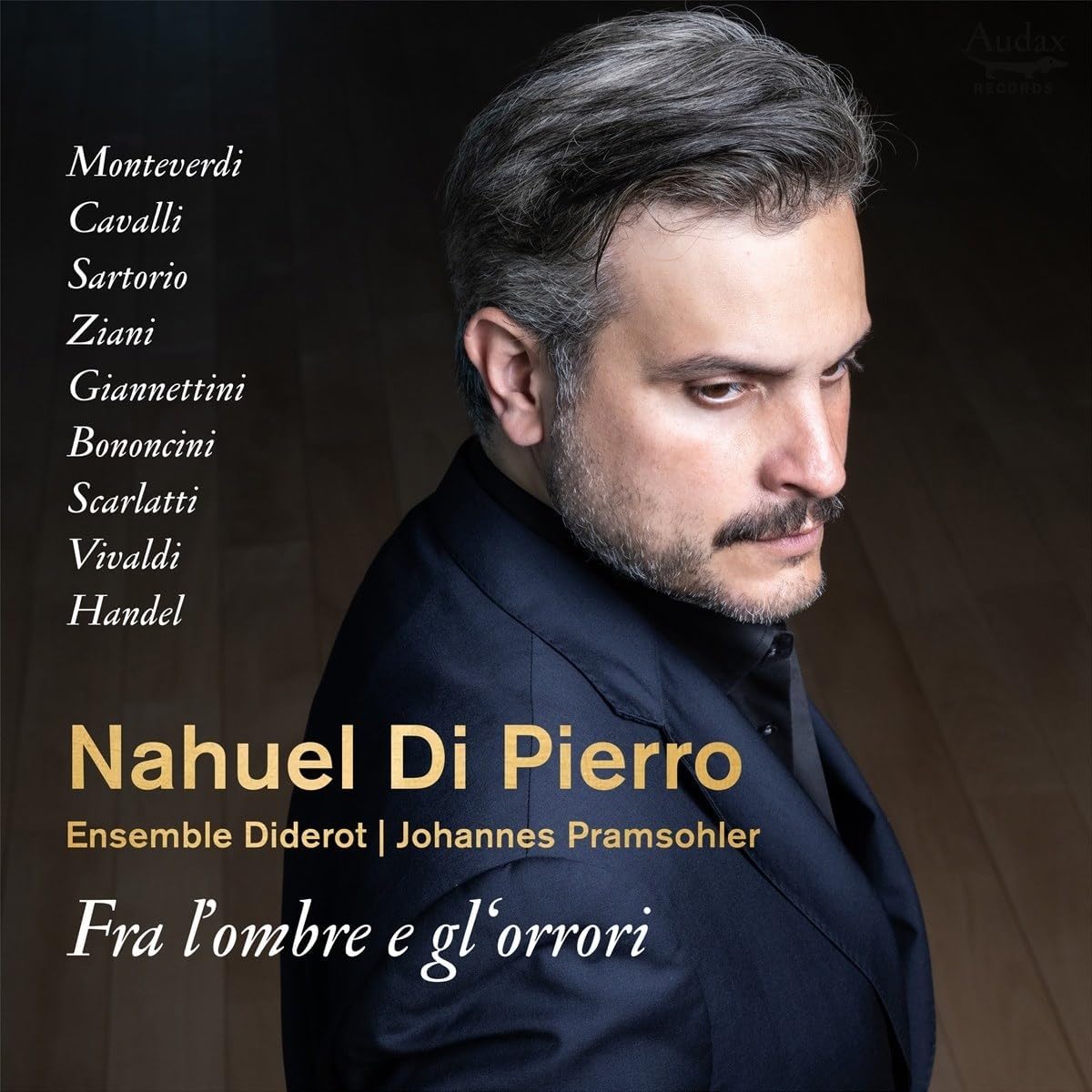
The Ghosts of Hamlet

Lost arias from Italian Baroque operas
Roberta Mameli, Le Concert de l’Hostel Dieu, Franck-Emmanuel Comte
68:04
Arcana A574

Who knew there were so many Italian Baroque operatic representations of Ambleto? Composers such as Giuseppe Carcani, Francesco Gasparini and Domenico Scarlatti turned their hand to operas based on Hamlet, albeit not the iconic play by Shakespeare, but the earlier story contained in the 12th-century Gesta Danorum picked up and adapted by the Venetian librettist Apostolo Zeno. In addition to arias from these now almost entirely forgotten Hamlets, we have a pasticcio version of arias by Carlo Francesco Pollarolo and Handel, the latter a textual rewriting of “Tu ben degno” from Agrippina to press it into service as a Hamlet aria. These are augmented by a stormy D-minor sinfonia by Scarlatti, which, given the composer’s interest in the Hamlet narrative, may be seen to reflect the mercurial moods of the Danish prince. Produced in the first half of the 18th century in Venice and Rome, this wealth of Hamletiana, augmented by the London pasticcios, is not without merit – these were competitive times in musically dynamic milieux in which almost nothing mediocre saw the light of day, and these tuneful arias, dramatically sung by Roberta Mameli are a testimony to the quality of the many operas of the time which have fallen into neglect along with their composers. Le Concert de l’Hostel Dieu, an ensemble new to me, plays with an admirable precision and musicality, avoiding the extremes of articulation which have become the fashion with other specialist Baroque ensembles, and under the direction of their founder Frank-Emmanuel Comte they produce authoritative accounts of this unfamiliar material. Roberta Mameli is a technically assured Baroque specialist who invests the music with a memorable passion.

D. James Ross